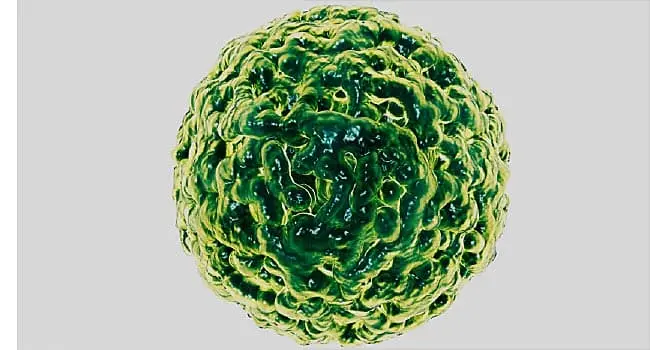
What Is Norovirus?
Norovirus is thought to be the most common cause of acute gastroenteritis (diarrhea and vomiting illness) around the world. It spreads easily through food and drink and can have a big impact on your health.
It was originally called the Norwalk virus after the town of Norwalk, OH. That's where the first confirmed outbreak happened in 1972.
According to the CDC, noroviruses trigger about 19 million to 21 million cases of acute gastroenteritis in the U.S. per year and send more than 450,000 people to the emergency room. They also cause more than half of all foodborne disease outbreaks each year. There are many types of types, and exposure to one doesn't necessarily protect you from the others.
Although it can strike year-round, norovirus is more common in the winter. People sometimes call it the winter vomiting bug or stomach flu. It's also called food poisoning because the viruses can be transmitted through contaminated food. Contaminated food isn't always the reason, though.
Norovirus Symptoms
The norovirus incubation period is about 12 to 48 hours. So if you get infected, you'll probably go from feeling completely healthy to absolutely miserable within a day or two after exposure. Typical symptoms include nausea, vomiting (more often in children), watery diarrhea (more often in adults), and stomach cramps.

Other norovirus symptoms include:
- Low-grade fever
- Chills
- Headache
- Muscle ache
- Fatigue
Most of these symptoms aren't serious, but diarrhea and vomiting can remove a lot of the fluid your body needs. This could lead to dehydration. Children and older adults are most vulnerable to dehydration , along with malnutrition from not getting enough nutrients.
How Long Does Norovirus Last?
It’s possible to shed the virus for 2 weeks or more. This means there’s a chance you're contagious and could get other people sick. It usually gets less and less infectious over time.
In most cases, you can return to work or school after you've been symptom-free for 48 hours. Food service workers are generally encouraged to wait 72 hours before they handle food.
Norovirus vs. Stomach Flu
Norovirus is not related to the flu, which is an infection of the respiratory system that triggers fever, chills, aches, and pains. In fact, there’s no such thing as stomach flu.
Norovirus Causes and Risk Factors
People become infected when they eat or drink contaminated foods and beverages. Raw or undercooked oysters and raw fruits and vegetables have been blamed in some outbreaks. You can also get infected if you touch an object or surface infected with the virus then touch your nose, mouth, or eyes.
Noroviruses thrive in close quarters, such as restaurants, day care centers, and nursing homes, because they are hardy and highly contagious. They can survive temperature extremes in water and on surfaces.
How is norovirus spread?
Once someone is infected from contaminated food, the virus can quickly pass from person to person through shared food or utensils, by shaking hands, or through other close contact. It can live on surfaces up to 2 weeks.
Is norovirus airborne?
When someone with the virus vomits, it can spread through the air and contaminate surfaces. It can stay airborne for up to 2 hours. The virus also spreads through feces, meaning someone who doesn’t thoroughly wash their hands after using the bathroom can pass it along. Dirty diapers can also harbor norovirus.
Young children, the elderly, and people who have weakened immune systems are particularly more vulnerable to noroviruses. The spread can be hard to control because it's contagious before symptoms appear. In other words, you can spread the virus before you know you’re sick.
Norovirus Diagnosis
If you have norovirus symptoms, your doctor can give you a stool test to confirm that you have the illness. But a diagnosis is usually made based only on symptoms.
When should you call your doctor?
Call your doctor if you still have symptoms after 3 days. Watch for symptoms of dehydration, too, which may require medical attention.
In rare cases, vomiting could mean something more serious than norovirus. If your vomit is green or yellow, that could be a sign of a bowel obstruction. See a doctor right away.
Norovirus Treatment
Like other viruses, noroviruses don't respond to antibiotics, which are designed to kill bacteria. No antiviral drug can treat norovirus, but in healthy people, symptoms should go away on their own within 1 to 3 days.
To manage your symptoms:
- Drink plenty of liquids, especially liquids that contain electrolytes.
- Get as much rest as possible.
- Eat soft, bland foods.
Norovirus Complications
Most people don't have any long-term problems from the virus. Infection can lead to dehydration, especially in children, older people, and those with weakened immune systems.
Symptoms of dehydration include:
- Dizziness when standing
- Dry mouth
- Peeing less
- Unusual sleepiness
- Fussiness or crying with few to no tears
- Listlessness
- Lethargy
To avoid dehydration, drink plenty of liquids, especially water and juices. Give children an oral rehydration solution, such as Pedialyte, to replace lost fluids and electrolytes. Avoid sugary drinks, which can make diarrhea worse. Avoid alcohol and caffeinated beverages, too, which can dehydrate you.
If severe dehydration develops, contact your doctor. Severe dehydration is sometimes treated with intravenous (IV) fluids.
Norovirus Prevention
Good hygiene is the key to preventing a norovirus infection, especially when you’re close to a lot of other people.
- Wash your hands often with soap and water for at least 20 seconds, especially after going to the bathroom or changing a baby's diaper, and before you prepare or eat food. Alcohol-based cleansers are not as effective as soap and water.
- Carefully throw away any contaminated items (such as dirty diapers).
- Wash raw fruits and vegetables thoroughly. Cook oysters and other shellfish before eating them.
- Clean and disinfect surfaces with a mixture of detergent and chlorine bleach after someone is sick.
- If you're traveling to areas with a high risk of norovirus infection, try to eat only cooked foods and drink only hot or carbonated beverages. Avoid food sold by street vendors.
If you've already been infected:
- Try to quarantine. Stay home from work. Children should stay home from school or child care.
- Wash your hands often with soap and water for at least 20 seconds.
- Avoid handling food and items other people will eat or touch. Disinfect contaminated surfaces.
- Handle vomit and stool carefully. Wear disposable gloves and soak up material with disposable towels. Place soiled items in plastic bags and put them in the trash. Remove and wash clothes and linens that may be contaminated.
- Avoid traveling until 2 to 3 days after your symptoms are gone.
Takeaways
Norovirus spreads easily and quickly. To minimize exposure and infection:
- Wash your hands often with soap and water for at least 20 seconds.
- Avoid raw or undercooked oysters.
- Thoroughly wash raw fruits and vegetables.